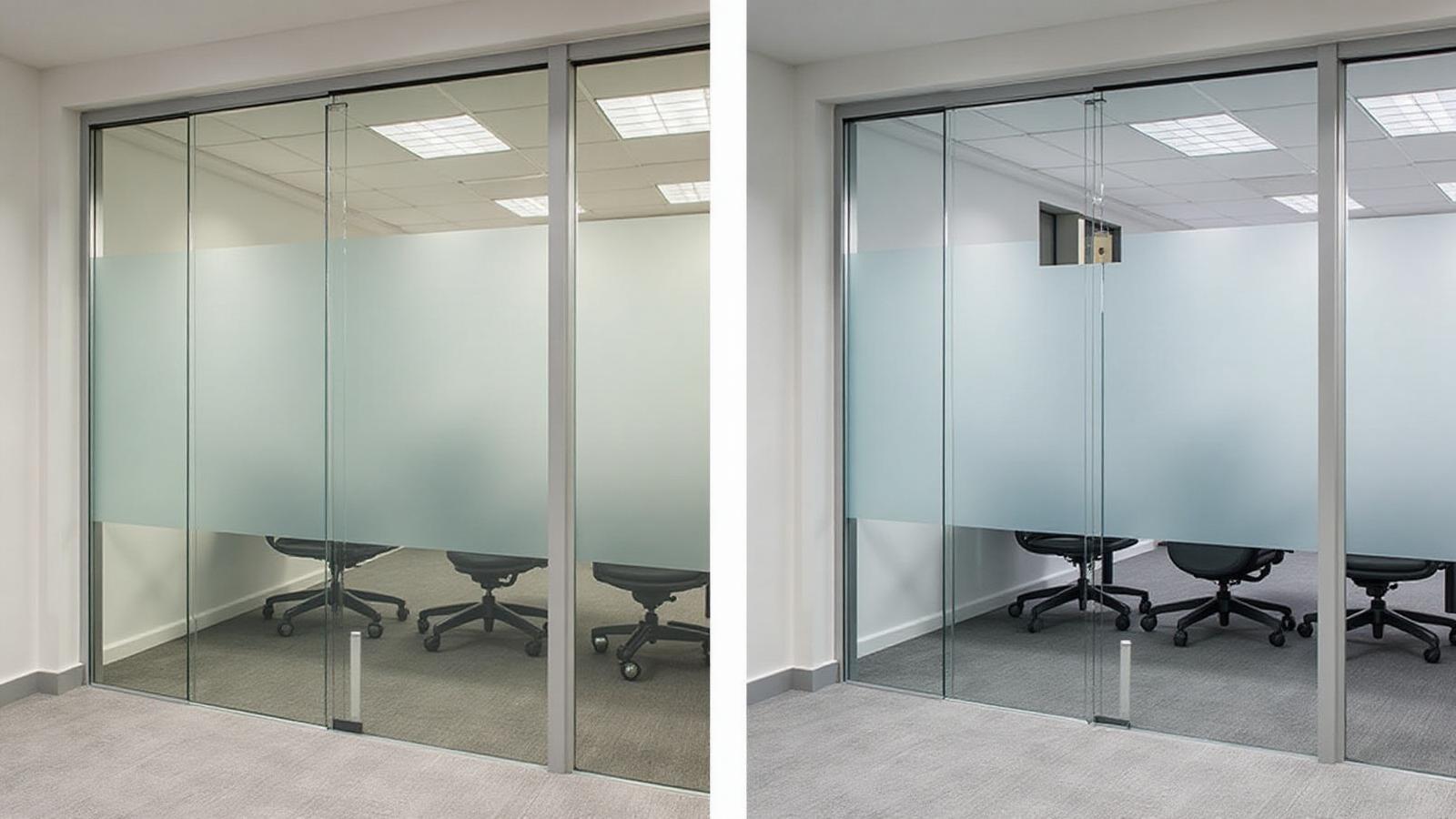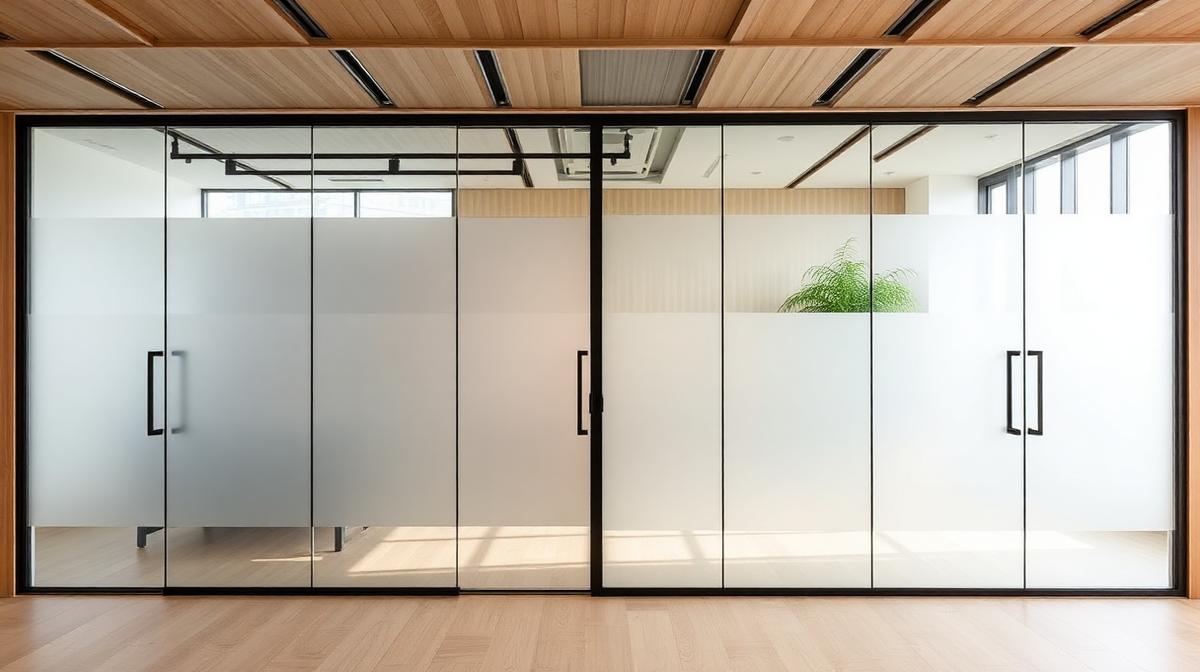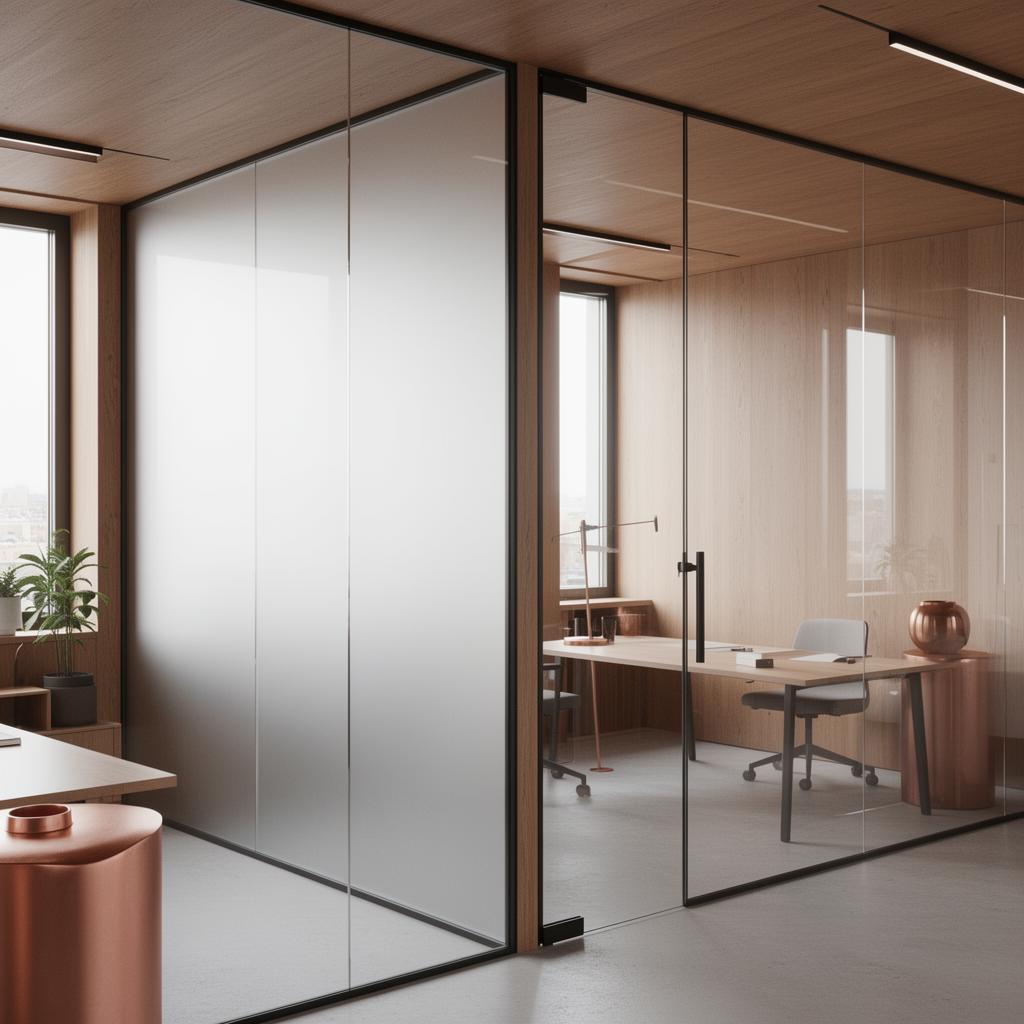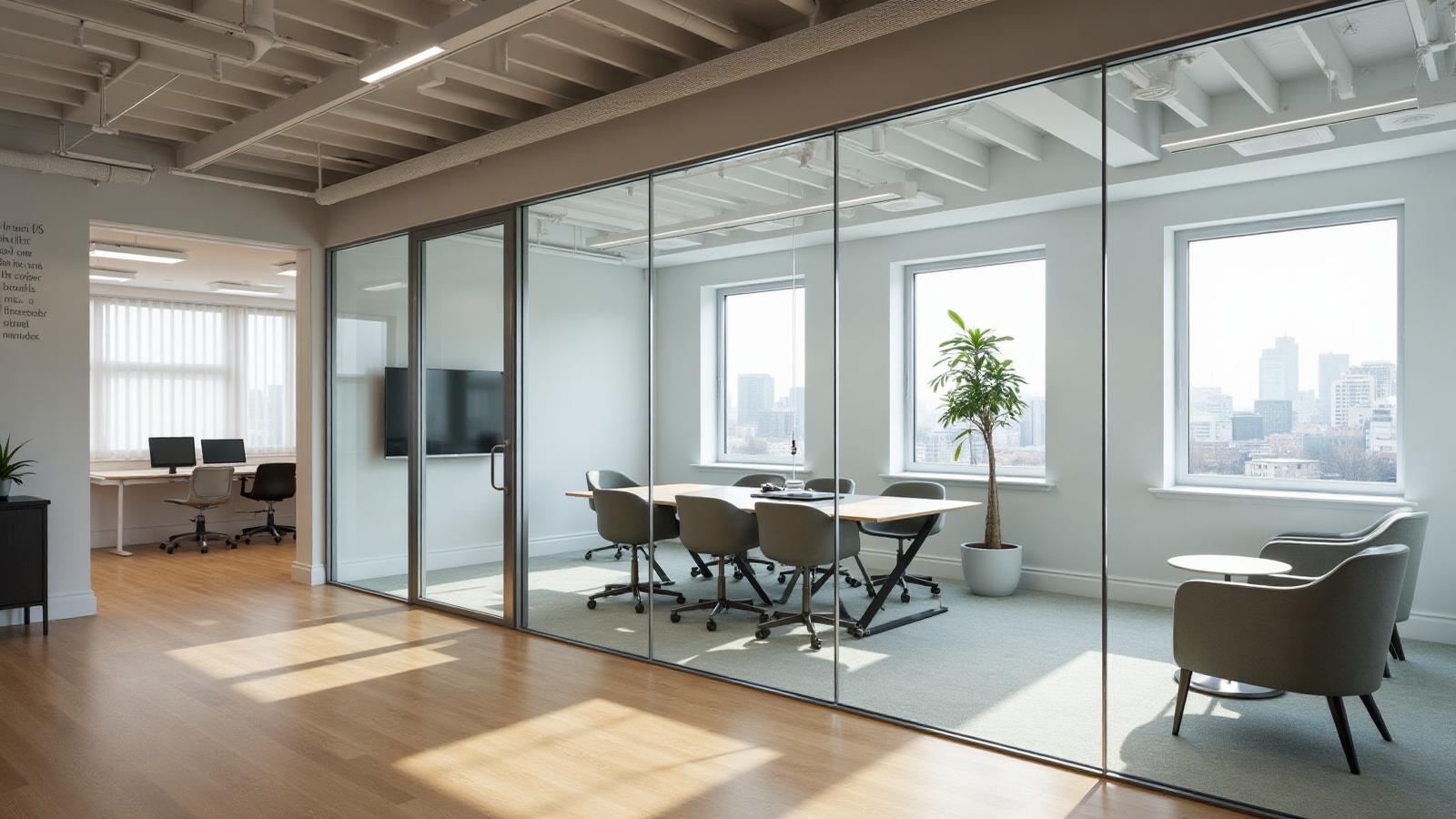
The modern office faces a paradox: we want open, bright work environments that foster collaboration — but we simultaneously need private spaces for focused work, sensitive meetings and individual conversations. PDLC technology solves this paradox by making glass walls dynamic. In this article, we explore how the technology is used in real office projects and which design trends dominate 2025.
The Problem with the Open Office
The open-plan office was launched as a way to break down hierarchies and foster communication. But research consistently shows it has negative effects on productivity and wellbeing. A Harvard Business School study (2018) showed that face-to-face communication actually decreased by 70% when companies moved to open offices.
The solution isn't going back to closed cell offices. Instead, it's about creating flexible rooms that adapt to the situation — open when collaboration is happening, private when focus is needed.
How PDLC Transforms the Office Environment
With PDLC-coated glass, a glass partition can function as a transparent wall for 90% of the day — and become a private meeting room wall for the 10% of the time it's needed.
Conference Rooms with Glass Walls
The most common application. Glass walls in meeting rooms that switch to frosted mode at the push of a button when a sensitive meeting begins. Some offices integrate PDLC with their booking system — the glass frosts automatically when a meeting starts according to the calendar.
Focus Zones and Quiet Rooms
Smaller glass rooms that function as "focus pods" in open-plan offices. Employees can book a room, close the door and frost the glass to signal they don't want to be disturbed. When the room is free, the glass is transparent — visual accessibility is maintained.
Dual-Use Presentation Rooms
Since PDLC film in frosted mode functions as a projection screen, a meeting room can double as a presentation hall. Project directly onto the glass wall — and when the presentation is done, turn on the power to make the glass transparent again.
2025 Design Trends: Glass as Interface
The office design trend for 2025 can be summarised in one word: adaptivity. The room should adapt to the user, not the other way around.
1. Activity-Based Working (ABW)
No fixed desks — employees choose location by task. This requires rooms that can quickly change character. PDLC makes this possible without physical changes to the premises.
2. Biophilic Design with Glass Walls
Glass maximises daylight and sight lines — proven positive factors for health and productivity. With PDLC, you maintain light transmission even in frosted mode (55%) while blocking visibility.
3. Technology-Integrated Rooms
PDLC connects to IoT systems, sensors and booking platforms. The glass frosts automatically based on room bookings, occupancy or time of day.
Summary
PDLC technology makes it possible to create offices that are open and private at the same time. It solves the fundamental conflict in modern office design without requiring reconstruction, mechanical systems or maintenance-intensive solutions.
The 2025 trend is clear: adaptive rooms that adjust to the activity, not fixed structures that limit it. PDLC is the tool that makes that vision possible.