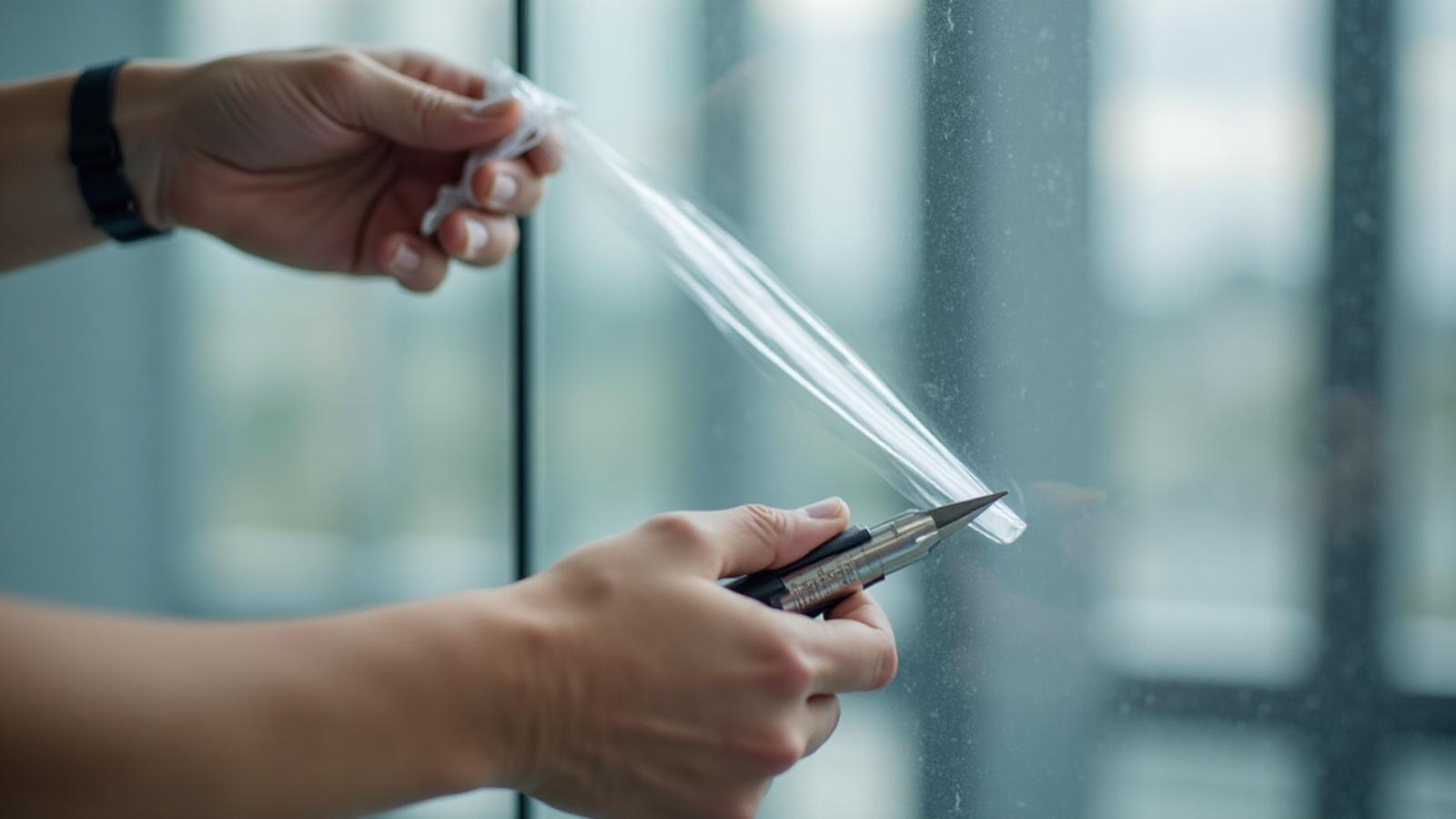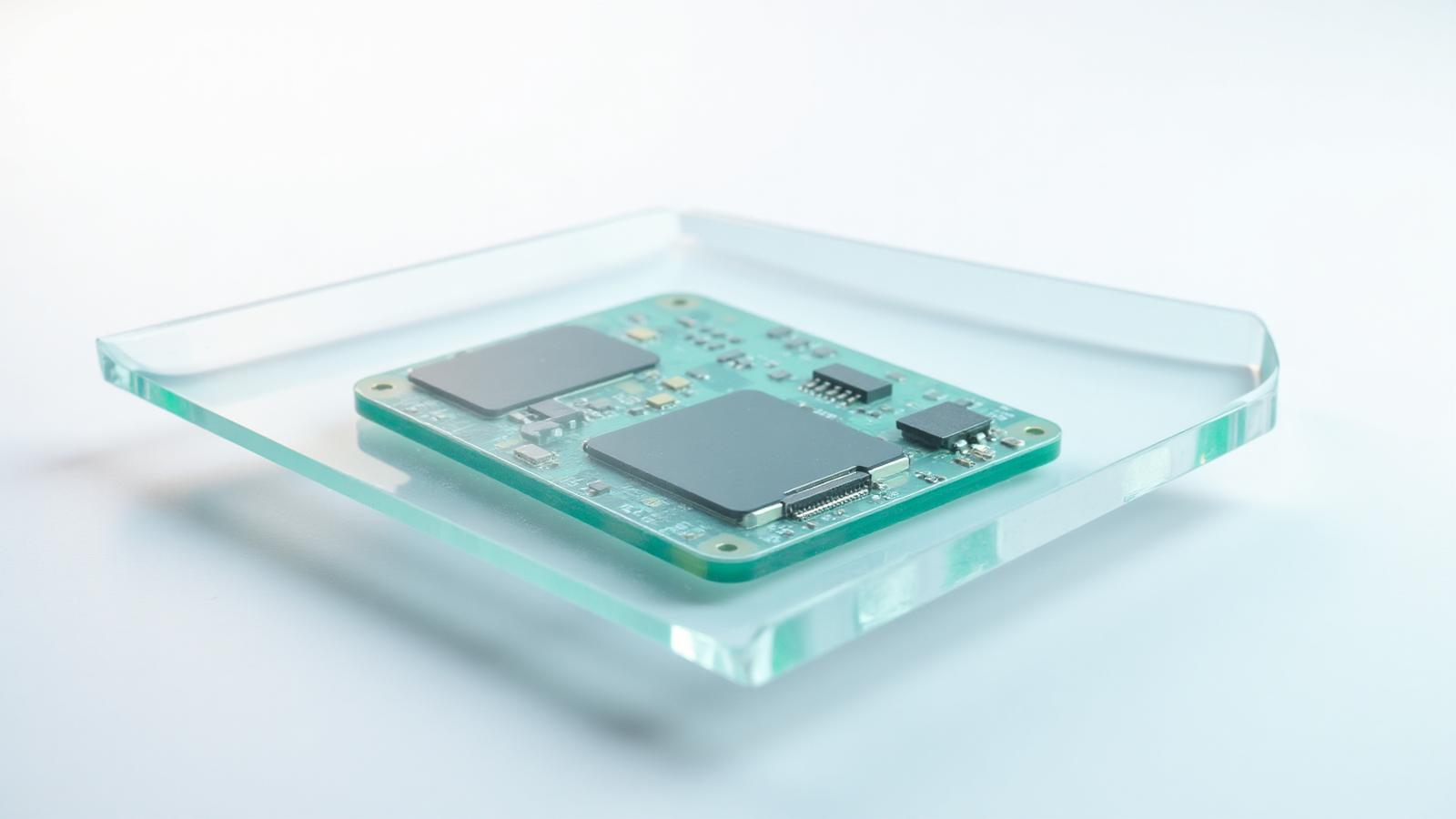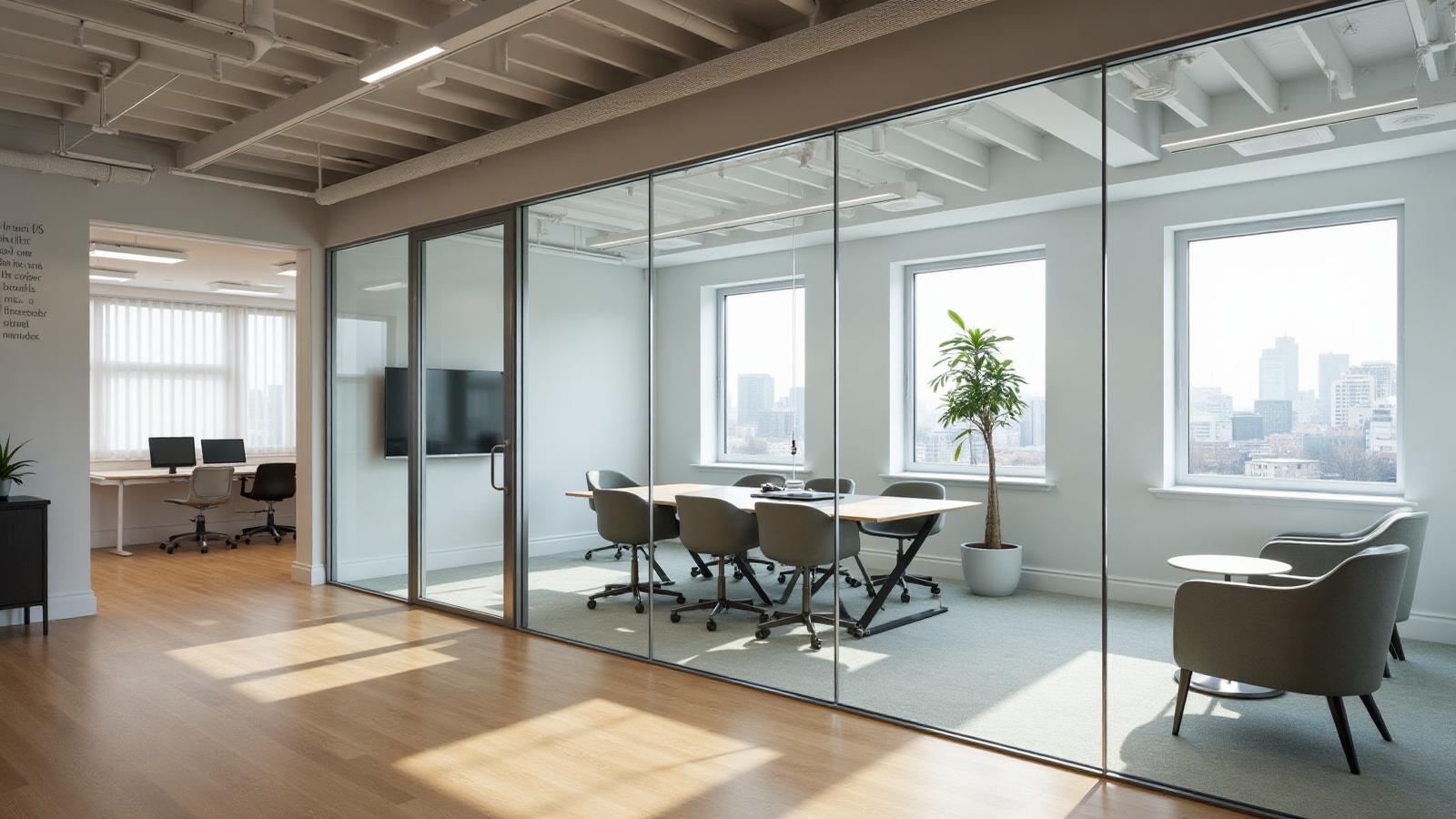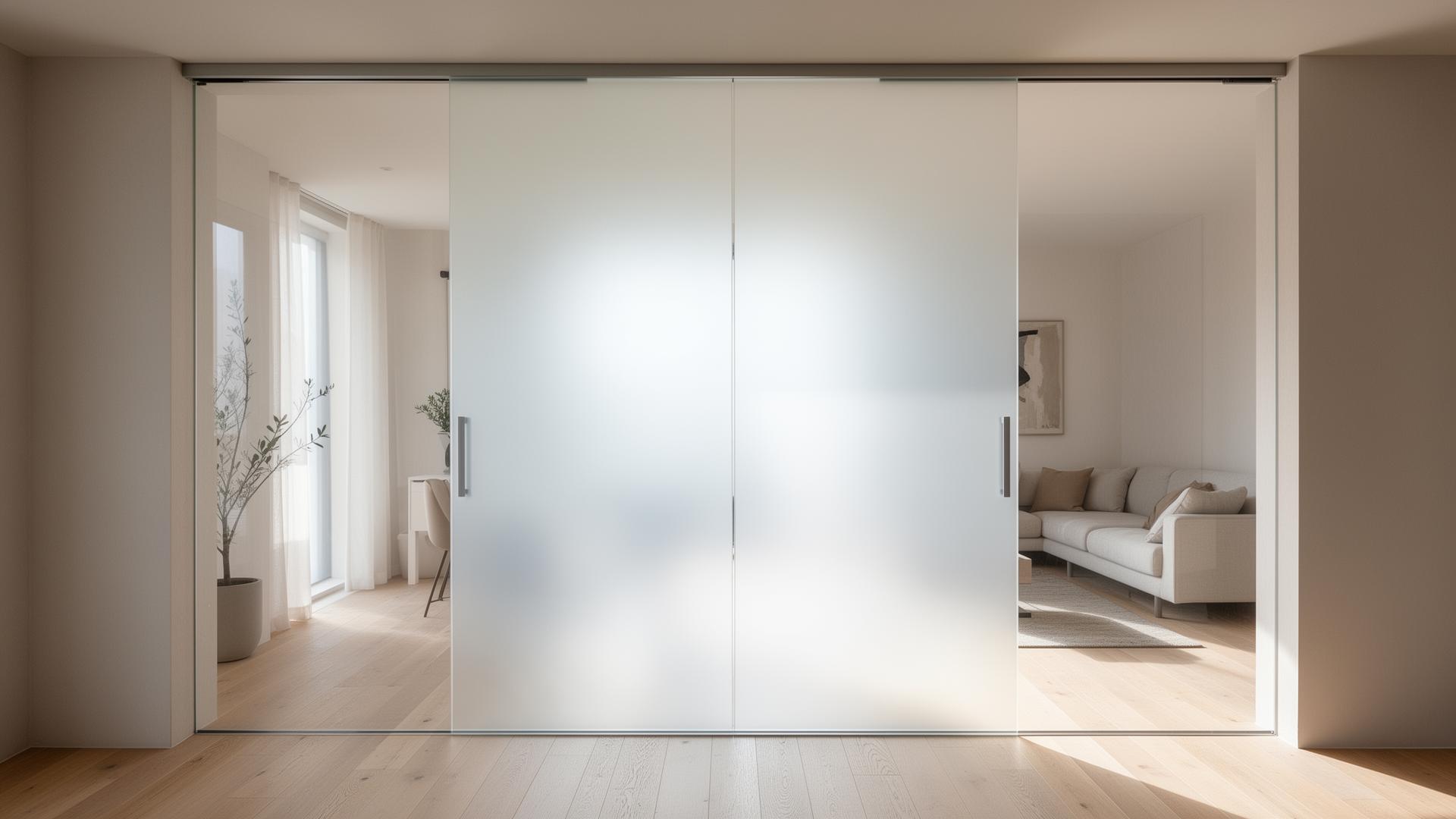
PDLC smart glass and smart film need a low-voltage power supply to switch between clear and frosted. On fixed partitions this is trivial — a discreet cable runs to the transformer. But the moment the glass moves, like on a sliding door, folding door or hinged window, you need a smart electrical solution. This guide covers the four dominant connector methods in the industry, which suits which door type, and how we at Glasnova recommend installation for Swedish homes, offices and spas.
Why wiring matters more than you think
PDLC film runs on 60 V AC (45 V AC versions exist) at very low current (under 0.5 A/m²). It is safe, but requires a stable, continuous connection. On a stationary partition that is a one-time job. On a moving door the connection cycles thousands of times per year. Poor cable management is by far the most common reason a smart glass installation fails after 1–2 years.
A professional installation always starts with three questions:
- 1.How does the glass move? Slide, hinge, fold or stay still?
- 2.Does the glass need to be active during motion, or only when open/closed?
- 3.How visible can the cable be? Fully invisible or is a discreet spiral cable acceptable?
Solution 1 – Conductive sliding track (invisible premium)
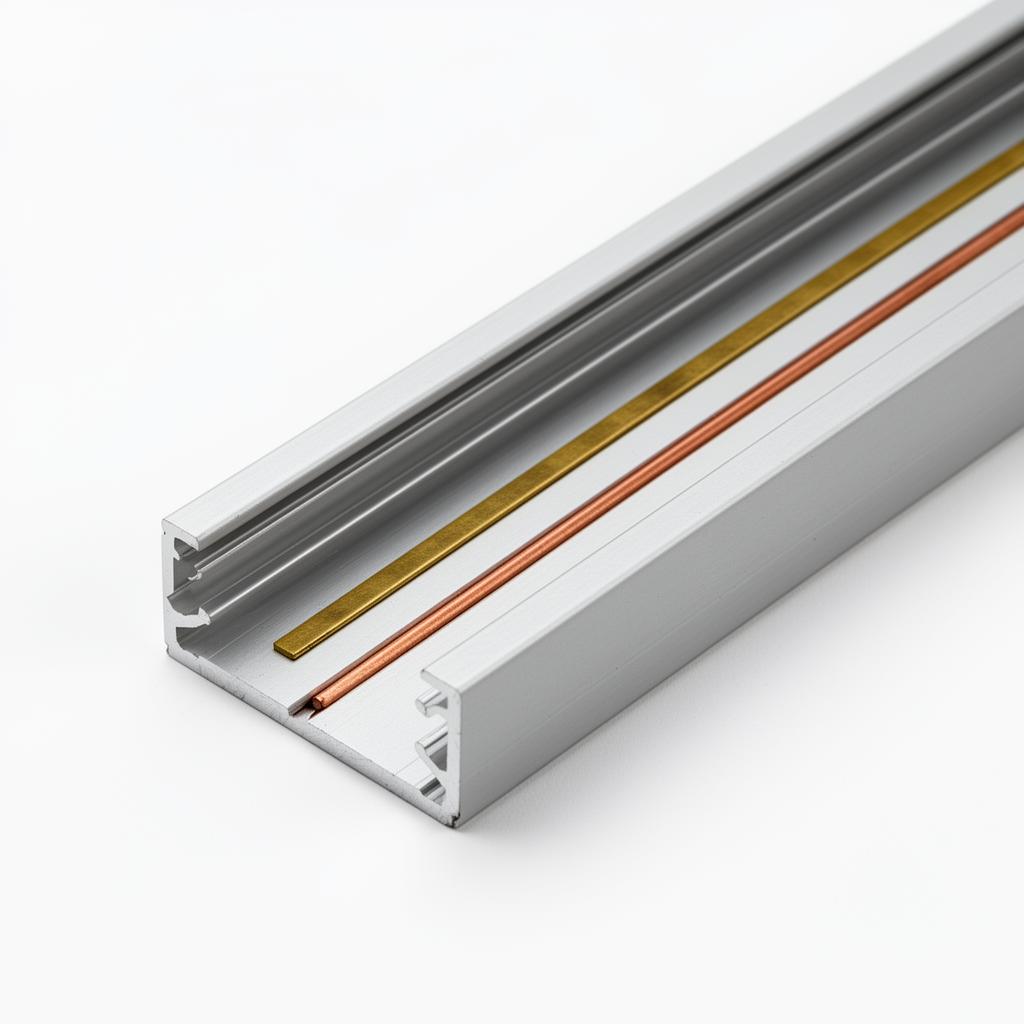
The conductive track is the industry standard for premium installations in luxury homes, hotel lobbies and corporate entrances. Two thin conductor rails (typically brass or silver-plated copper) are recessed into the bottom of the aluminum track. Each glass panel carries a pair of spring-loaded sliding contacts that constantly glide along the rails — exactly like a tram's pantograph.
Pros: Fully invisible cabling, continuous operation during motion, supports up to 6–8 panels on a single track, durable for 50,000+ cycles.
Limitation: Requires a brand-new track system. Not suitable for retrofit where the customer wants to apply self-adhesive PDLC film to existing sliding doors — that would mean replacing the whole sliding mechanism. Best for new builds or major renovations.
Typical use: Automatic entrance doors (3–8 panels), executive meeting rooms, bathrooms in luxury hotels.
Solution 2 – Spring (spiral) cable (flexible and affordable)
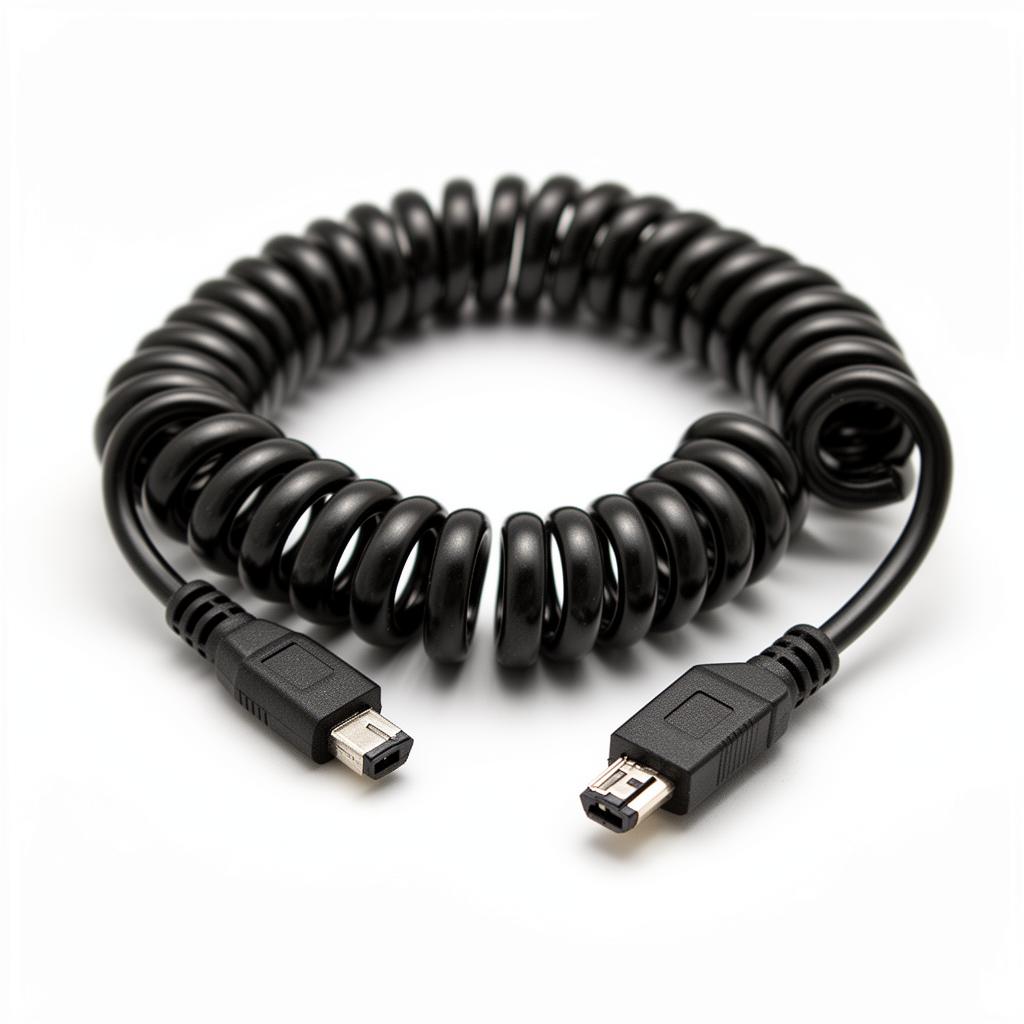
The spring cable (also called spiral or coiled cable, working like a corded phone cord) is the most-used solution in Sweden for 1–2 panel sliding doors and folding doors. The cable expands and retracts automatically as the door moves, without sagging or catching.
Pros: Quick installation, works on framed and frameless glass doors, compatible with self-adhesive PDLC film on existing doors, cost-effective.
Limitation: Less suitable for 3+ panels — too many spirals look messy. The cable is visible (but discreet), so not a fully invisible solution.
Glasnova tip: Always match cable color (black or white) to the frame. On residential installs we usually hide the spiral behind an aluminum ceiling profile.
Solution 3 – Retractable cable box (auto-rewind)
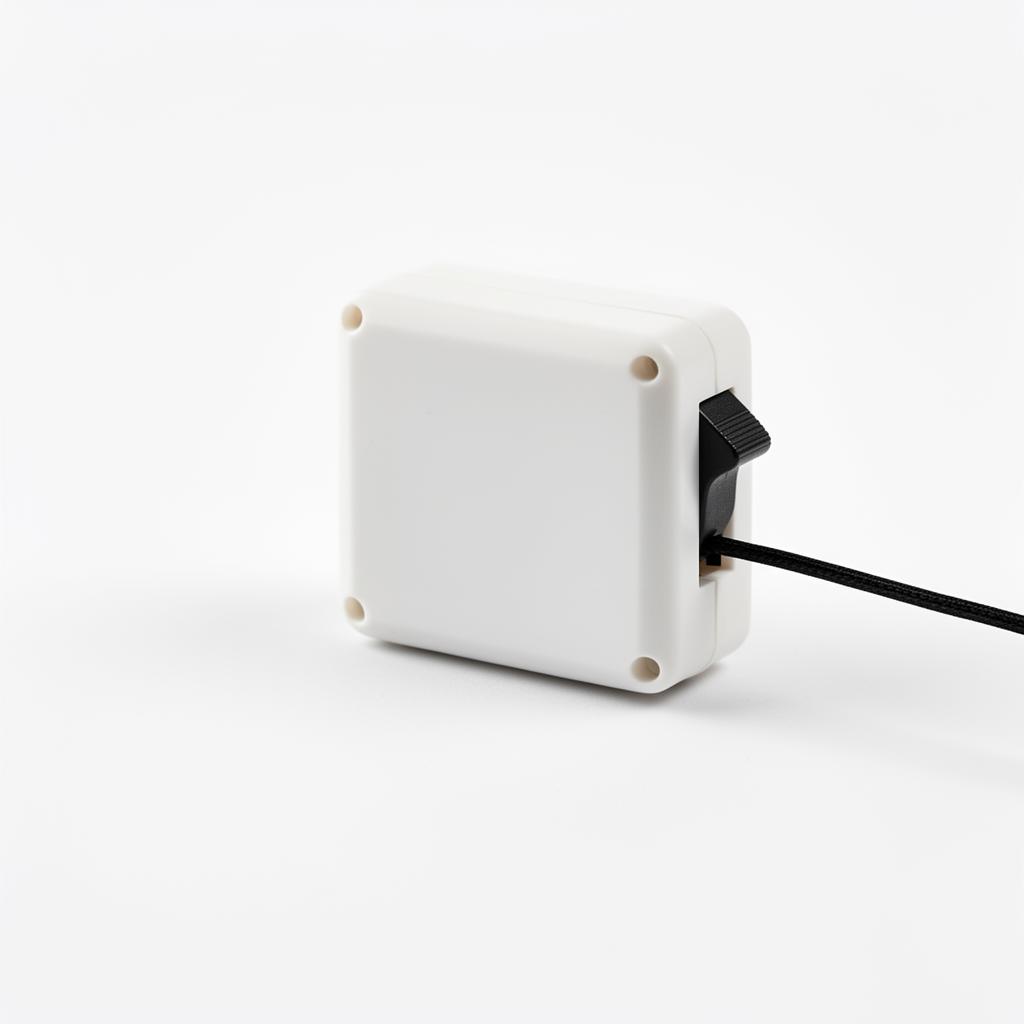
Imagine a tape measure, but with a power cable instead of measuring tape. When the door opens, the cable is drawn out; when it closes, the cable rewinds automatically into the box. The result is a constantly tensioned, tidy cable run with no slack.
Pros: Cleaner aesthetics than a spring cable, the cable is never in the way, supports longer travel (up to ~2.5 meters).
Limitation: The box itself must be mounted visibly or recessed in frame/wall. The mechanism has moving parts and should be serviced every ~5 years under heavy use.
Ideal for: Office sliding doors between meeting rooms, retail display windows with moving panels, healthcare environments where hygiene and cleanability matter.
Solution 4 – Tappet contacts (on/off when door is closed)
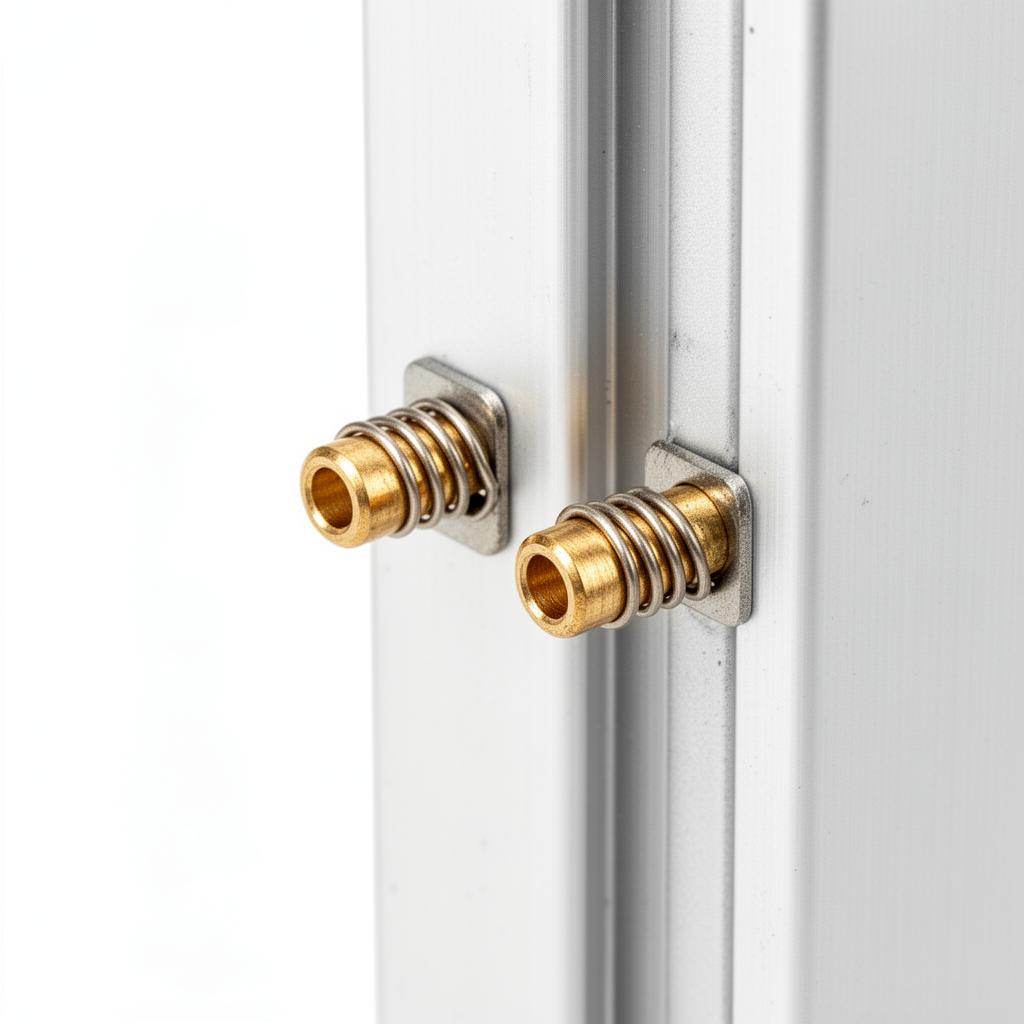
Tappet contacts are spring-loaded pin contacts that close the circuit only when the door is in a specific position — typically fully closed. When the door slides away the contact breaks and the glass returns to its resting state (frosted).
Pros: No visible cabling at all, mechanically simple and reliable, very low cost compared to a conductive track.
Limitation: The glass can only be activated when the door is closed. This is a design constraint — but often a feature. For many bathrooms, changing rooms and toilets, you actually want the glass to frost the moment the door opens.
Classic use: Private bathrooms, doctor's offices, fitting rooms, secure glass at banks.
Hinged windows and fixed windows
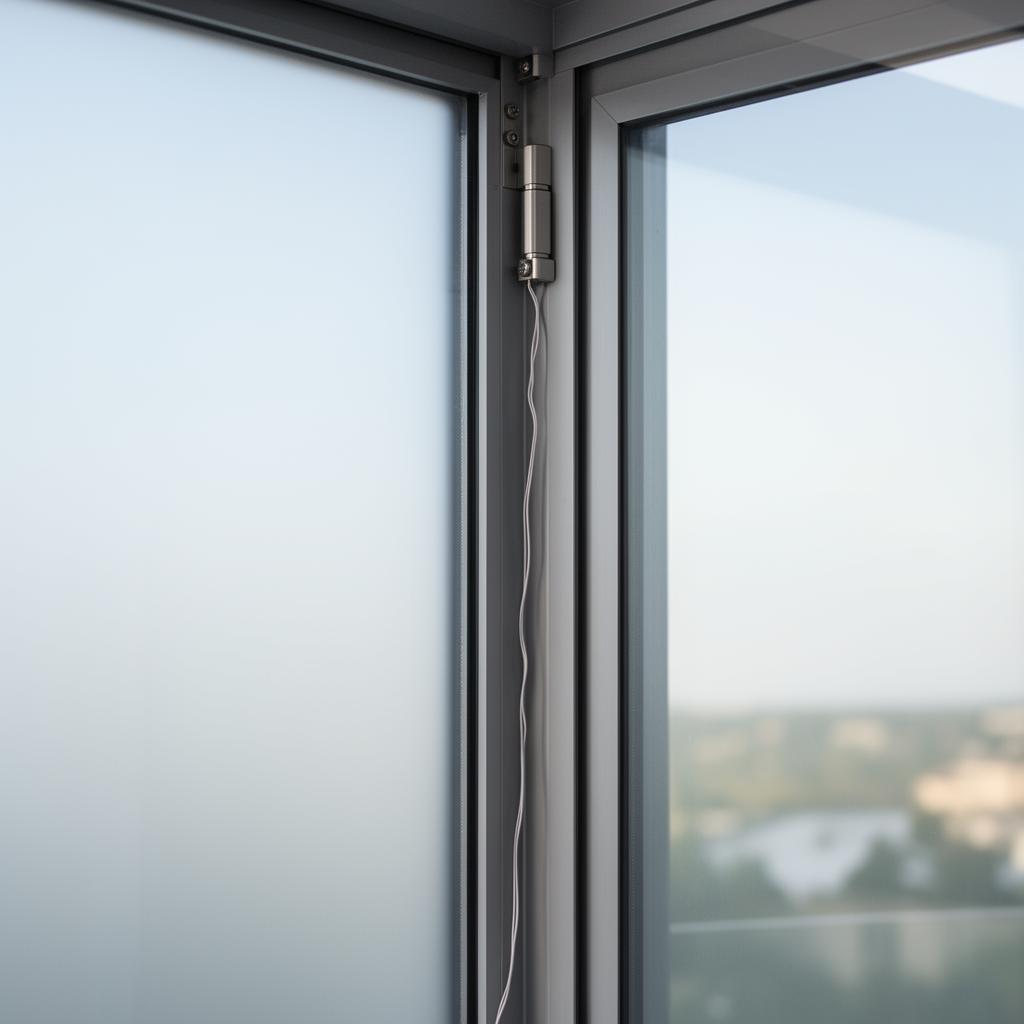
For fixed windows installation is straightforward: a thin cable runs from the glass edge into the frame and onward to the transformer. The cable can be fully concealed with silicone sealant or an aluminum trim.
For hinged windows (side- or top-hung) the spring cable is the most common solution, routed through the hinge side. Modern window systems also offer specialty hinges with integrated cable channels for a fully invisible connection.
For bi-fold doors we recommend a combination: conductive track between panels and spring cable between the door and the frame. This delivers a clean install even with 4–6 panels.
Quick guide: which solution suits your door?
| Door type | Recommended | Alternative |
|---|---|---|
| Fixed glass wall | Direct cable in frame | — |
| Sliding door 1–2 panels | Spring cable | Cable box |
| Sliding door 3–8 panels | Conductive track | Tappet (closed only) |
| Hinged window | Spring cable via hinge | Conductive hinge |
| Bi-fold door | Conductive + spring | Tappet on outer panels |
| Bathroom/WC | Tappet contacts | Spring cable |
Common mistakes to avoid
- •Cable too thin: Always use at least 0.5 mm² copper. Thinner cable causes voltage drop and inconsistent switching.
- •Splices in moving sections: A spring cable should never be spliced — order the right length from the start.
- •Undersized transformer: Allow at least 0.5 A/m² of glass plus 30% headroom for reliable operation.
- •Missing strain relief: The cable must always be supported where it meets the glass busbar — otherwise the conductor breaks after 1,000–2,000 cycles.
Need help choosing the right solution?
Every project is unique. At Glasnova we deliver complete connector kits across Sweden and install in Stockholm. We help you pick the right wiring method based on door type, motion pattern and aesthetic requirements.